
Private label from Turkey: six decisions to make before production
Private label is the fastest way for a retail chain to own a category. It is also the easiest project to stall. These are the six decisions that keep it moving.
Private label is the fastest route for a distributor or retail chain to own margin in a category instead of renting it. It is also the project most likely to stall in the third week, usually because a decision that looked cosmetic turns out to sit on the critical path. Here are the six that matter, roughly in the order a factory will ask for them.
1. Recipe: match, improve, or start clean
Most private label briefs start as "the same as the market leader, cheaper". That is a valid brief, but it should be stated as one. The alternative — a reformulation with a different sugar level, fat source or protein claim — takes longer and needs a tasting round. Deciding which of the two you are doing on day one saves a fortnight.
2. Packaging format before packaging design
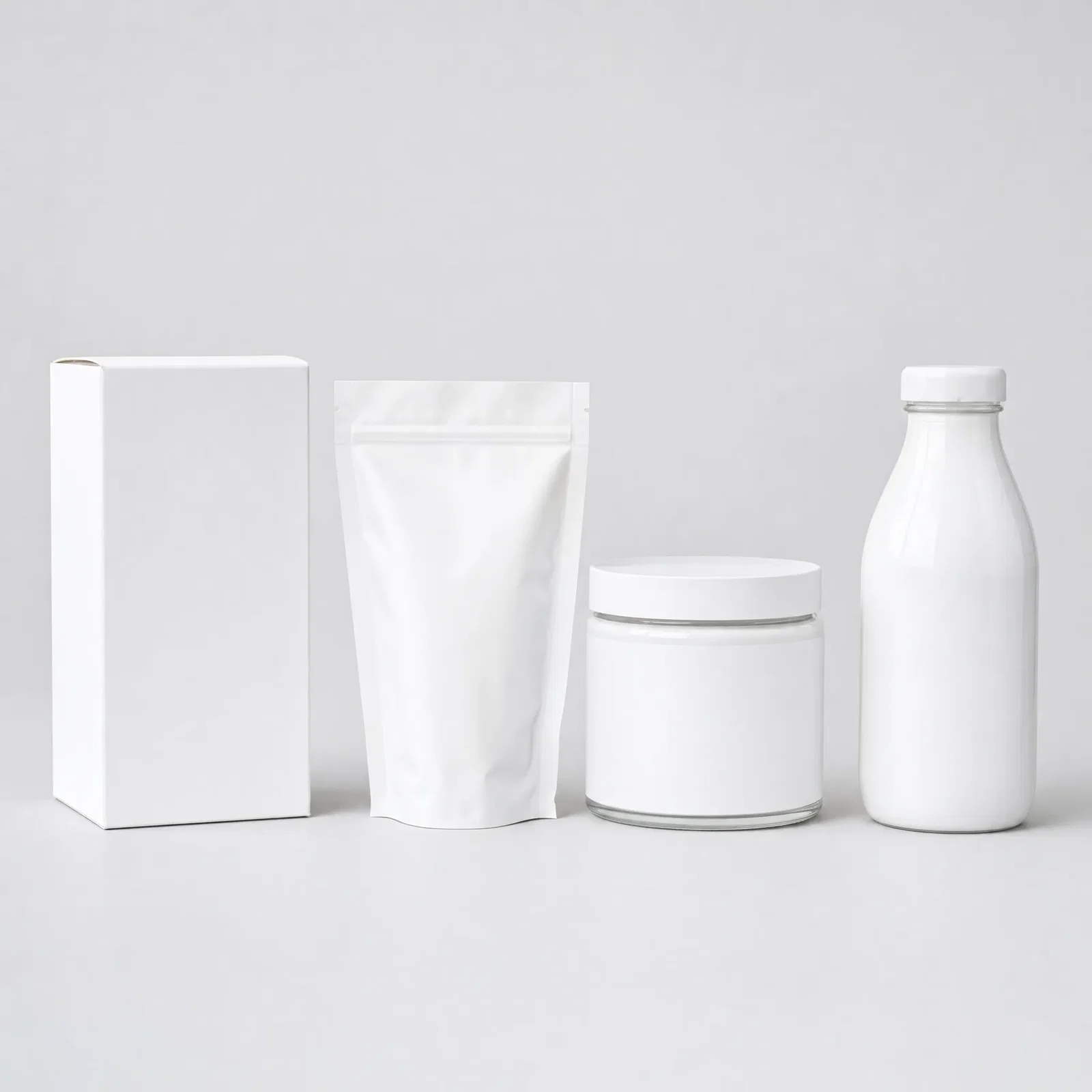
The format decides the machine, and the machine decides the minimum order quantity. A stand-up pouch, a flow wrap, a glass jar and a PET bottle are four different production lines with four different MOQs and lead times. Choose the format first; the artwork can follow.
3. MOQ and how it is counted
Minimum order quantity is quoted per SKU, not per project. A brief with six flavours is six MOQs. Where volumes are tight, we usually recommend launching with two or three SKUs at proper depth rather than six thin ones — it is better shelf economics and a far better second order.
4. Shelf life and the transit clock
Shelf life is counted from production, not from arrival. Sea freight, customs clearance and inland distribution can consume a meaningful share of it before the first case reaches a shelf. Agree the minimum remaining shelf life on arrival in writing, and plan the production date around it.
5. Labelling for the destination market
Ingredient declarations, allergen statements, nutrition tables, language requirements, barcodes and importer details all vary by market. Getting the label approved by the importer's own regulatory contact before the print run is far cheaper than re-labelling a container in a bonded warehouse.
6. Certification
Halal, kosher, organic, gluten-free and vegan claims each require certification held by the producing facility, not by the trader. Confirm early which of our partner factories already carry the certificate you need — it frequently narrows the shortlist, and it is better to know that in week one.
How we run it
Bazaar International Trade coordinates private label projects across eighteen manufacturing partners covering confectionery, snacks, preserves, grains, beverages, household and personal care. We shortlist the factories that can meet the format, MOQ and certification you need, run the sampling round, and manage production, documentation and loading through to delivery.
Have a private label brief? Send it with your target market and volume and we will come back with a shortlist and indicative pricing.